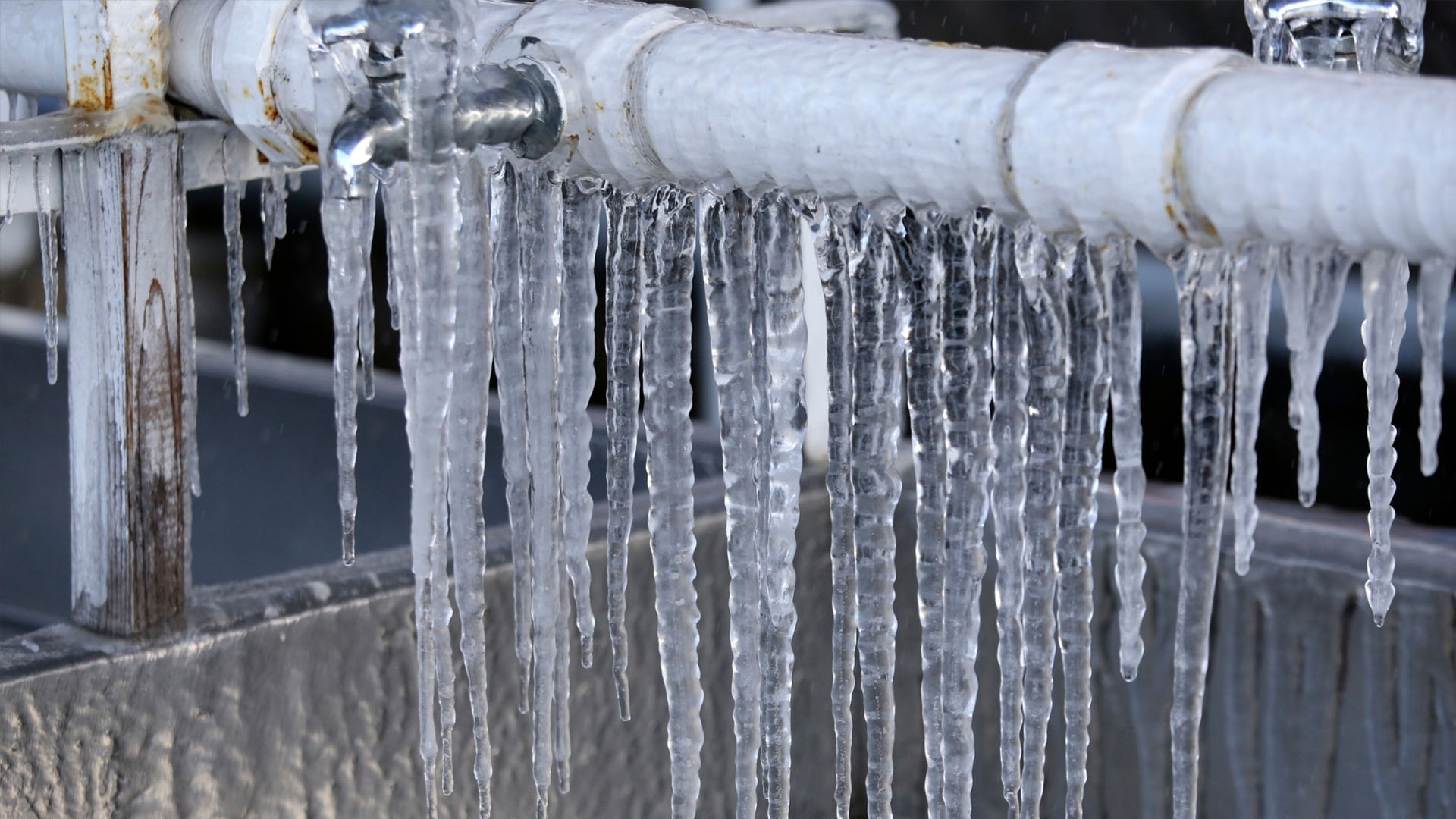
Winter is fast approaching in Camrose. Those cold Alberta nights mean your plumbing system needs to be ready. Frozen pipes do not just mean a chilly shower. They can burst, flood your home, and cost you thousands in repairs. Let’s walk through some practical tips you can use at home to keep your pipes safe and what to do if things start to go sideways.
KNOW WHERE YOUR PIPES ARE AND WHAT’S AT RISK
Exposed or poorly insulated pipes are usually the first to freeze. Look for plumbing along exterior walls, in the basement, garage, attic, or crawl space. These areas tend to stay cold and are often forgotten until something goes wrong.
INSULATE EXPOSED PIPES
One of the easiest ways to protect vulnerable plumbing is with insulation. Foam sleeves, wrap insulation, or even heat tape can help. Focus on the areas that get the coldest and anywhere pipes run close to the outside of your home. A small amount of insulation can prevent a big mess later.
DISCONNECT HOSES AND DRAIN OUTDOOR LINES
Your garden hose and outdoor tap can cause more trouble than they are worth once the temperature drops. Disconnect your hose, drain the water, and shut off the valve inside if your home has one. Then open the outdoor tap and leave it slightly open so any remaining water can escape safely.
KEEP YOUR HOME WARM
Even when you are not home, make sure the heat stays on. Do not drop the temperature below ten degrees Celsius, even if you are away for the weekend. Your pipes depend on the warmth of your home to stay safe. That includes the furnace room, too. Do not block off vents or shut doors to the rooms where pipes run through.
LET A FAUCET DRIP ON EXTRA COLD NIGHTS
When temperatures fall well below zero, keeping just one faucet on at a slow drip can help prevent frozen pipes. Choose a tap served by pipes in a colder part of the home. The steady movement of water helps reduce pressure buildup and keeps water from freezing inside the line.
OPEN CABINET DOORS
Pipes under kitchen and bathroom sinks often run along exterior walls. By opening the cabinet doors, you allow warm air from your home to circulate around the plumbing. It is a simple trick that can make a big difference during a cold snap.
SEAL UP AIR LEAKS
Cold air getting into your home can put nearby pipes at risk. Check for drafts near windows, doors, and vent openings. Use caulking, weatherstripping, or insulation to block the cold out. Every little bit helps keep those vulnerable pipes protected.
CLOSE FOUNDATION VENTS AND MONITOR UNHEATED SPACES
If your home has foundation vents or crawl spaces, make sure they are closed before winter hits. Cold air moving through these areas can freeze pipes quickly. If your basement or crawl space is not heated, consider adding insulation or using a safe space heater with care.
KNOW WHERE YOUR SHUT OFF VALVE IS
If a pipe does freeze and burst, the first thing you will need to do is shut off the main water supply. Make sure you and other household members know where the shut off valve is located and how to use it. If you are not sure, give us a call. We are happy to show you where to look and how to shut things down in an emergency.
WHEN TO CALL BATTLE RIVER PLUMBING & HEATING
Some of these tips are easy to do on your own, but if your home has older plumbing, hard to reach areas, or pipes that are already frozen, it is best to bring in a professional. At Battle River Plumbing & Heating, we have been helping Camrose and surrounding communities prevent and fix frozen pipes for over 40 years.
WHY CHOOSE BATTLE RIVER PLUMBING & HEATING FOR YOUR HOT WATER REPLACEMENT IN CAMROSE
We are local. We know the kind of cold that hits Camrose in January and February. And we know how to protect the plumbing in homes just like yours. If you want to get ahead of frozen pipes this winter or need help in a hurry, give Battle River Plumbing & Heating a call. We will get you sorted and keep your home protected through whatever the season throws at us., give Battle River Plumbing & Heating a call and we will take it from there.